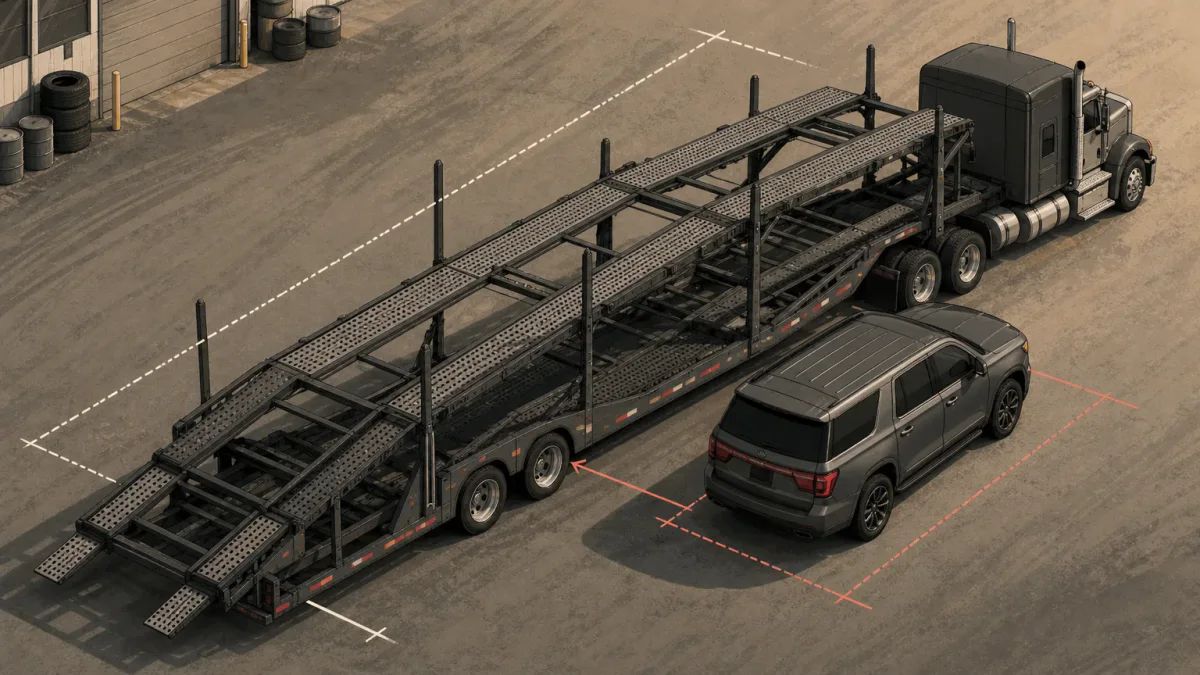
Fleet Lifecycle Management
Decide what to buy, where to assign it, and when to let it go. Connect equipment history, downtime, and future work before approving another repair or replacement.
By TruckTA Editorial Team · TruckTA Resources
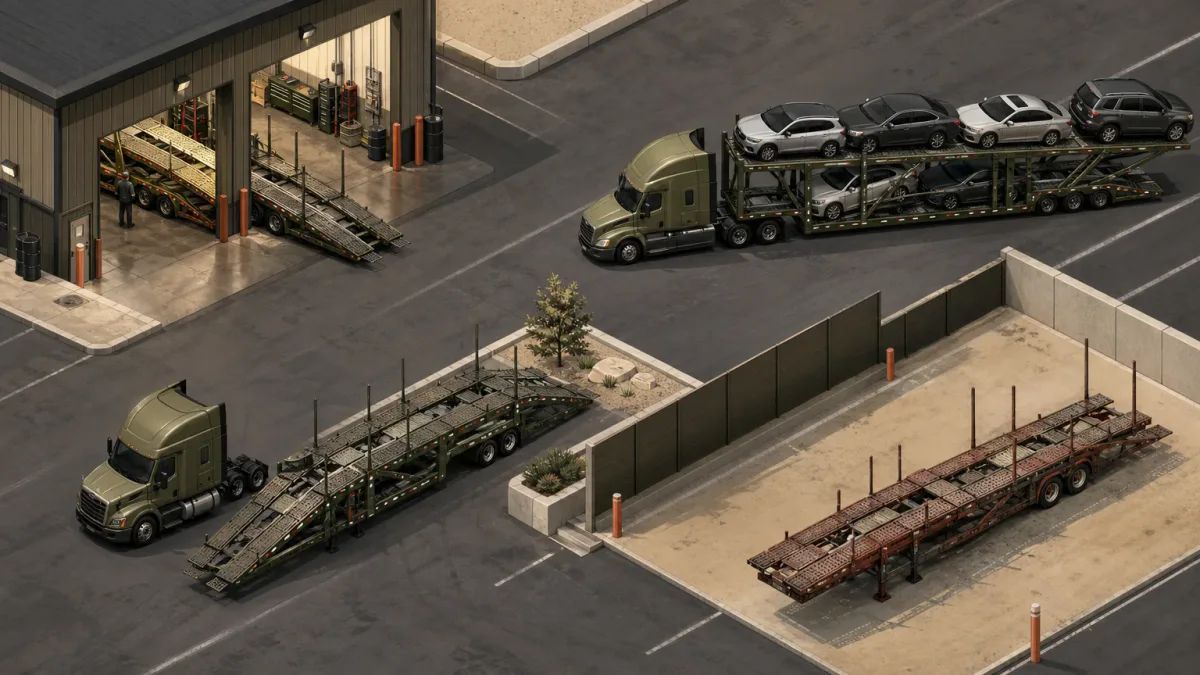
In this article
Last updated: November 2026
Another repair estimate lands while dispatch needs the trailer back. Your fleet lifecycle management process should answer whether to keep it, change its assignment, or replace it, using equipment history and expected work rather than the latest bill alone.
Start by connecting acquisition, assignments, maintenance, operating results, and retirement decisions. Keep the Fleet Management Checklist alongside this longer-range review. Here, the task is narrower: decide which equipment deserves continued investment and what evidence supports that decision.
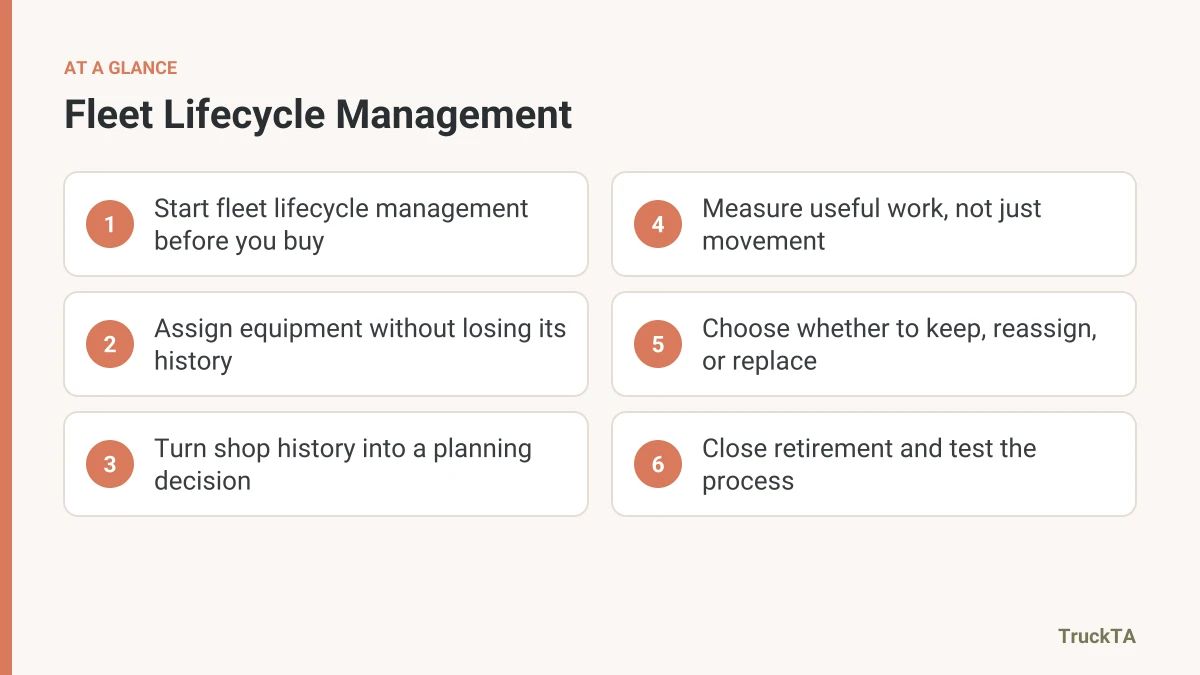
Start fleet lifecycle management before you buy
Write the assignment before choosing equipment
Before shopping, describe the work your next asset must handle. Include the lane, vehicle mix, pickup access, loading arrangements, and expected return freight. Also identify the driver coverage and shop support you can provide, not what you hope to arrange later.
For example, compare a gooseneck or wedge against recurring bookings rather than last week’s best brokered load. Ask dispatch which work the proposed setup would accept or decline. Then identify where it would finish empty and what comes next.
Next, compare buying with reassigning existing equipment. Require the proposal to identify the gap it closes. If the actual problem is missing gate releases or weak backhaul planning, ask how another trailer would solve it.
Preserve the original cost baseline
Budget beyond the purchase agreement. Lifecycle costs include acquisition, fuel, maintenance, repair, salvage, debt expense, and downtime (opens in a new tab). Separate quoted amounts from estimates, and identify costs that depend on how much work the asset receives.
Also record delivery preparation, initial shop work, and equipment purchases needed before assignment. Keep that baseline intact after the asset enters service. Compare results against the original assumptions instead of rewriting the budget to match what happened.
Assign purchase approval and the operating handoff to named people. Before acceptance, arrange an equipment assessment and check the proposed configuration against manufacturer documentation. Confirm current operating requirements with the relevant regulators before putting equipment into service.
Assign equipment without losing its history
Keep the asset separate from its driver
Give each truck and trailer a stable internal identity tied to its identifying details. Keep acquisition information, condition evidence, and expenses with that asset. Meanwhile, record driver assignments and truck-trailer pairings as dated events rather than overwriting previous entries.
Suppose a driver changes trucks while the original enters the shop. The original truck’s expenses should stay with that truck. Likewise, a trailer’s repair history should remain attached to the trailer when dispatch pairs it with different power.
For shared equipment, record when possession changed and which unresolved issues accompanied the handoff. That context belongs in your fleet lifecycle management history. Don’t use a driver’s name as the only way to find an asset’s previous work.
Separate intended role from current availability
A trailer might belong to your regional fleet while waiting for shop review. Another might be available but reserved for a customer move. Record the intended role, current assignment status, and reason for any restriction separately.
Then name who changes assignments and who resolves readiness questions. For equipment handoffs, keep Car Hauler Driver Handoff Checklist: Inspect, Report, Release available. A driver swap must not serve as repair clearance.
Before assigning unfamiliar equipment, arrange appropriate orientation and confirm driver readiness for that setup. Ask the driver to raise loading-arrangement questions at the yard. Include those answers in the handoff rather than leaving dispatch to reconstruct them during pickup.
Turn shop history into a planning decision
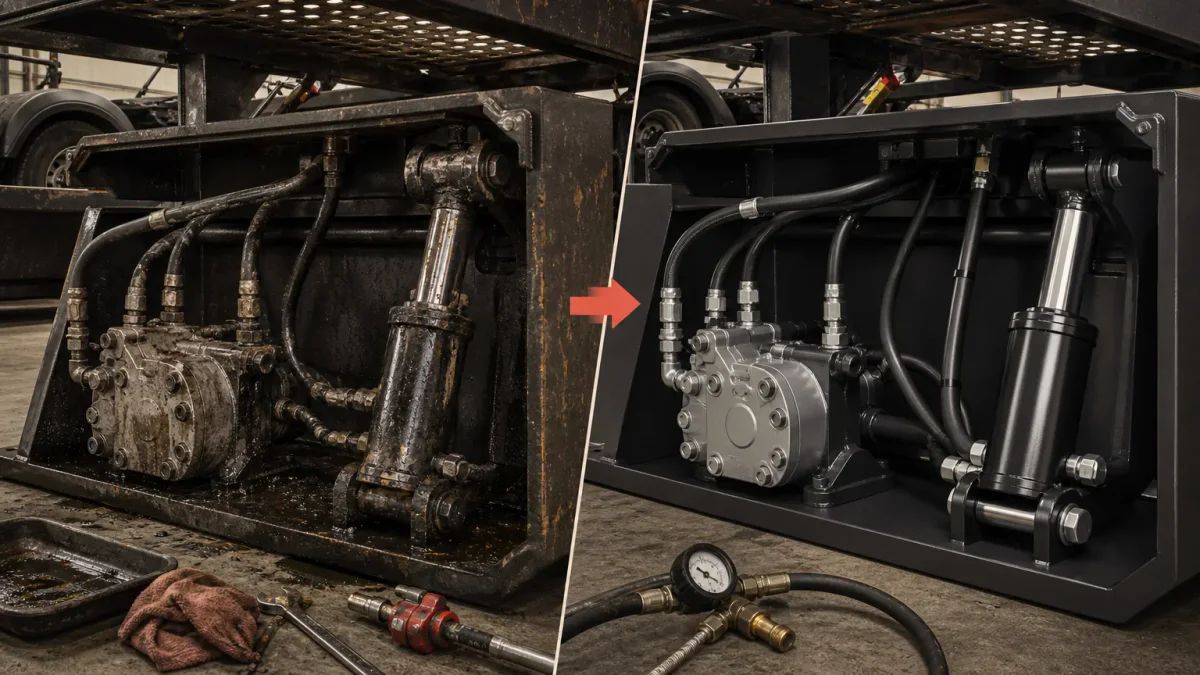
Separate the repair from the waiting
Record the reported symptom, diagnosis, completed work, and follow-up separately. For example, slow deck movement is an observation, not a confirmed component failure. Preserve the driver’s description even when the shop identifies a different cause than expected.
Also separate hands-on repair time from waiting for diagnosis, authorization, parts, or a shop opening. Before recommending replacement, ask which interruptions came from equipment condition and which came from coordination. Record what the maintenance lead expects to change.
Use manufacturer guidance and qualified maintenance advice for service planning. For compliance procedures, verify current requirements with FMCSA and applicable state authorities. FMCSA’s Motor Carrier Safety Planner has separate Records (opens in a new tab) and Vehicle Inspections (opens in a new tab) sections.
Investigate repeated symptoms
When a symptom returns, pull the earlier work history before approving the same response. Ask whether the diagnosis changed and whether the previous repair addressed the cause. However, keep the commercial review separate from a qualified assessment of equipment safety.
Then connect planned shop time with booked loads. Identify which assignments need coverage and whether substitute equipment is ready and compatible. An unassigned trailer should remain a possible backup, not a confirmed replacement, until those questions are resolved.
For your fleet lifecycle management review, request a forward-looking maintenance recommendation. It might call for further diagnosis, anticipated work, or a replacement comparison. Give that recommendation an owner and an expected response date, not just a closed invoice.
Measure useful work, not just movement
Explain why equipment was not producing
Choose a consistent review period and classify how each asset spent it. Separate productive assignments, deadhead, customer waiting, planned service, unplanned repair, and available-but-unassigned time. Also distinguish equipment availability from driver availability so a staffing gap stays visible.
For example, classify a missed pickup caused by a missing release separately from a mechanical interruption. If a gate closes before the driver arrives, record the dispatch circumstances. Resolve disputed causes while the appointment details and messages are still easy to find.
If you calculate utilization, state what the calculation includes. Decide how to treat partial working days and shop time before comparing assets. Otherwise, a classification change could appear to improve performance without any change in the work completed.
Compare similar work and consistent costs
Compare equipment doing similar work before ranking it. Keep local shuttle assignments separate from long-haul work, and explain reserve duty. For reserve equipment, name the customer commitment or coverage need it protects, then compare that purpose with actual use.
Keep truck-specific and trailer-specific expenses separate. For the expense review, use Car Hauler Truck and Trailer Cost Tracking Checklist: Month-End Review. Apply a consistent method to shared costs and label allocated amounts rather than presenting them as direct charges.
Next, compare assignment revenue with the costs you chose to include. State that basis plainly in your fleet lifecycle management review. Investigate the equipment, lane, customer delays, and dispatch choices separately before deciding which asset should leave the fleet.
Choose whether to keep, reassign, or replace
Compare the next operating period
Build the decision around future work and expected costs, not just money already spent. The optimal replacement time is generally a window linked to age and use (opens in a new tab). Set review triggers for your operation rather than adopting a universal retirement birthday.
For the keep option, request a current condition assessment and estimates for anticipated work. Include shop availability and the assignments you expect to cover. However, label uncertain repairs and downtime assumptions so the owner can see what could change the recommendation.
For replacement, collect acquisition terms, preparation needs, expected operating costs, and a delivery plan. Also assign responsibility for receiving and preparing the equipment. Show how you’ll cover committed loads if delivery or preparation takes longer than expected.
Give reassignment its own proposal
Assess whether a serviceable trailer fits recurring regional work better than its current assignment. Compare actual bookings, loading arrangements, and shop support. A shorter route must not substitute for repairs identified as necessary by a qualified maintenance assessment.
Then test the options against weaker demand, delayed delivery, or another repair interruption. You don’t need false precision. Identify which assumptions favor keeping the asset and which would favor replacement or retirement without replacement.
Bring the proposal to your owner review alongside Fleet Management Monthly Report Template for Carrier Owners. Record approval, unresolved assumptions, and a reconsideration trigger. For fleet lifecycle management, “keep for now” needs a condition that would reopen the decision.
Close retirement and test the process
Withdraw the asset without losing the decision history
Once you approve retirement, set an internal withdrawal date and remove the asset from future assignment planning. Then reconcile open work orders, outstanding invoices, assigned accessories, and customer commitments. Keep sale preparation separate from any decision about further operation.
Before disposal, ask the relevant authorities and advisers which transaction requirements apply. Confirm any record-retention obligations with the regulator before deleting records. For management review, keep an archived equipment history linked to the retirement decision rather than overwriting it.
After disposal, compare the outcome with the proposal. Record proceeds, disposal expenses, unresolved charges, and gaps in operating coverage. Also note preparation work the replacement needed that you hadn’t anticipated, and use it in the next acquisition budget.
Run an asset-review exercise
Choose an asset facing a meaningful repair or assignment change. Assemble its acquisition baseline, assignment history, maintenance findings, and operating results. Then write a keep, reassign, replace, or retire recommendation, naming the missing evidence and the person responsible for getting it.
If you evaluate fleet asset management software, test it against that case. Ask your team to retrieve the asset history and trace the costs behind the recommendation. Keep broader vehicle fleet management requirements separate from capabilities you haven’t confirmed.
Finally, use the completed case to test your fleet lifecycle management process. Could the owner understand the recommendation without chasing dispatch or the shop? Fix the missing handoffs before applying the same review to the rest of your equipment.
Explore equipment workflows by trying TruckTA for truck and trailer records and cost tracking. Start with the asset behind your next ownership decision, organize its records and costs, and prepare a recommendation your team can act on.
Frequently asked questions
How should leased equipment fit into the review?
Keep an operating history, but separate equipment decisions from lease decisions. Confirm repair responsibilities, modification permissions, and return conditions with the lessor before approving changes.
What if older equipment has incomplete cost records?
Establish a documented starting point and mark missing periods. Use a current condition assessment and clearly labeled estimates rather than filling historical gaps with assumed amounts.
How should you account for seasonal equipment?
Compare quiet periods with the asset’s planned seasonal role. Identify the expected bookings that justify keeping it, and schedule a decision before the next busy period.
What if dispatch and maintenance disagree about replacement?
Ask each team to state its evidence and unresolved assumptions separately. Have the named decision owner request missing information and document the final choice, including any conditions for reconsideration.
Put it into practice
Keep your operation moving with TruckTA.
Bring loads, drivers, documents, payments, and settlements into one connected workspace.